
March 2026 Newsletter
WELCOME FROM OUR CHAIRS
In less than two months our exhibition Dictionary will open at the Art Pavilion in Mile End Park.
We can’t believe it is nearly a year since Jane and I stepped into the roles of Chair and Vice Chair of Prism. We began this journey excited, inspired, and naturally a little nervous about the challenge that lay ahead. What has become abundantly clear over this past year is that none of this would be possible without the extraordinary team who work alongside us. Prism is what it is today because of their strength, generosity, and dedication, and we would like to take this opportunity to recognise them by name.
Secretary: Willeke Klaassen
Based in Holland, Willeke ensures smooth communication between the committee and our members.Treasurer: Jeryl Church
Jeryl keeps our books balanced and everything properly accounted for.Members Coordinator: Julieanne Long
A new role this year, Julieanne is the go-to person for members’ ideas, questions, and concerns. She hosts our monthly Zoom gatherings, a valued space for connection and support, and helps foster regional in-person meet-ups.Educational Engagement: Julieanne Long, Amanda Bloom, Sharon Kearley
This team works with local schools in the area surrounding our annual exhibition venue in Tower Hamlets, where we are building connections through creative learning and shared projects.Administration & IT Support: Patti Taylor
Behind every successful organisation is someone who loves a good spreadsheet and Patti does just that. Her dedication to order and clarity is invaluable.Exhibition Team: Marian Murphy & Marilyn Hall
They take on the exciting, and sometimes daunting, task of organising and curating our exhibitions ensuring that each member’s work is presented at its very best.Exhibition Display: Amanda Bloom & Jo Coombs
With meticulous care, they oversee that every piece is perfectly placed, aligned, and beautifully presented.Stewarding & Organisation: Linda Pearl Izan
Linda is brilliant at overseeing the logistics that make our exhibitions run seamlessly.Design & Coordination: Ross Belton & Kim McCormack
Ross and Kim coordinate the design work. Our sincere thanks for this year’s brilliant exhibition flyer.Website Team: Nerissa Cargill Thompson & Kim Winter
Together they have led the development of our beautifully refreshed website, presenting PRISM with a younger, fresher, and more contemporary image.Instagram: Sue Reddish & Annie Taylor
The team behind our social media engagement, bringing you news from our members, fresh ideas, and keeping you up to date with everything that’s happening across PRISM.Proofreading & Support: Anne Amosford
Anne is always by our side, cross-checking, organising, and ensuring everything is polished and accurate.Adviser & Long-standing Support: Jackie Langfeld
Jackie continues to offer invaluable guidance, sharing PRISM’s history and helping steer us confidently into the future..
We are now a group of 64 members, and it has been wonderful to see so many people offer their time, support, and energy over the past year. Jane and I are very grateful for the way they have helped us move forward with such positivity and momentum.
With best wishes,
Wolfgang Woerner, Chair
Jane Riley, Vice Chair
FROM OUR MENTORING PROGRAMME
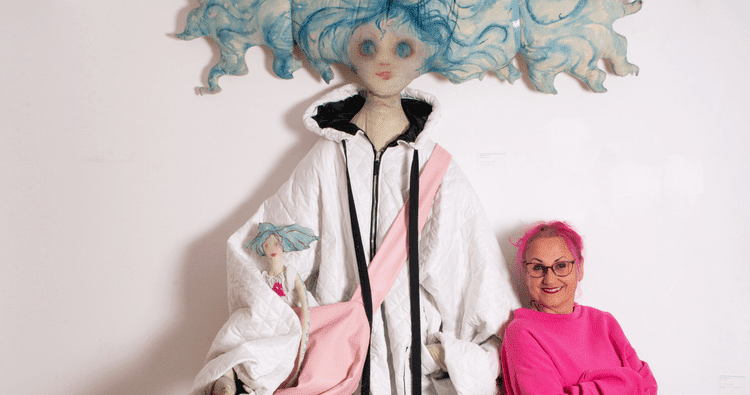
Meg Tonkin, our mentoring student, has interviewed Annie Taylor, a PRISM member since 2023, for our blog. It is a thoughtful piece exploring Annie’s practice, inspirations, and creative journey. Click the link below to read more.
MEG TONKIN CHATS TO ANNIE TAYLOR
MEMBERS IN THE SPOTLIGHT THIS MONTH
CAROLINE KIRTON
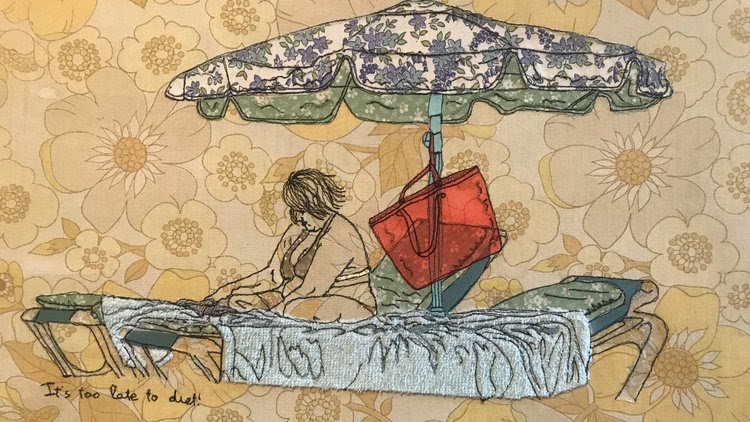
Caroline’s work can be seen as a series of snapshots reflecting on the ups and downs of life and is intended to be a contemporary social study of today’s society. Through observation she embarks on a narrative journey to record scenarios that capture her imagination. She translates and records stories and emotions into documentary style stitched textile drawings, the starting point of which is a comment or saying, which strikes a poignant cord.
Caroline’s work, although a personal journey, is intended to be universally recognisable by people of all generations. Designed to arouse discussion and invite interaction with the audience whilst showing the importance of family life and of building relationships through the generations. The intention in her practice when using traditional methods such as silk-screen printing, appliqué and embroidery is to demonstrate to the viewer the importance of making and materials and how they have a significant place in contemporary art and craft today.
LYNNE CHAPMAN
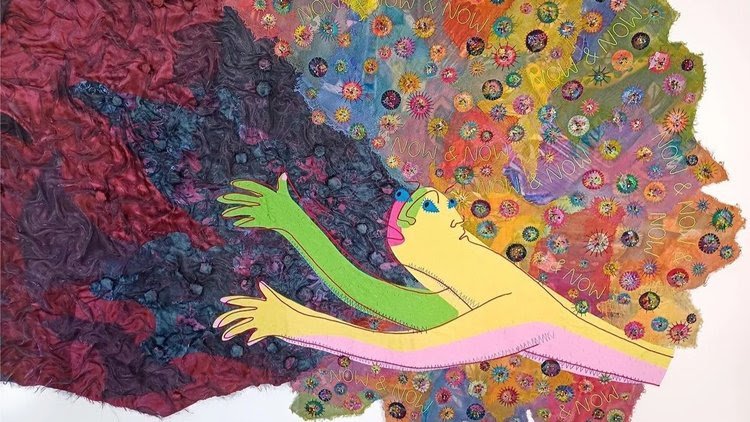
Lynne’s work explores her fascination with issues around autobiographical memory-loss and identity, a preoccupation which stems from experiencing the symptoms of aphantasia (the lack of a mind’s eye). She is interested in the role visual recall plays in the maintenance of our sense of self and in our relationships with friends and family.
Her artwork probes the fractures between perception and stored memory, considering the difference between the knowledge that events have occurred, and genuine recall. For many years, Lynne has kept sketchbooks as visual diaries, pinning down the details of her lived experience through onsite drawing. She uses her textiles to communicate ways in which aphantasia impacts her connection with both this ongoing present and her fast-fading past. Lynne’s practice also includes regular collaborations with academics, a means by which she keeps herself continually challenged and her work is encouraged to evolve. Her textiles are principally hand-embroidered.
ANNE AMOSFORD
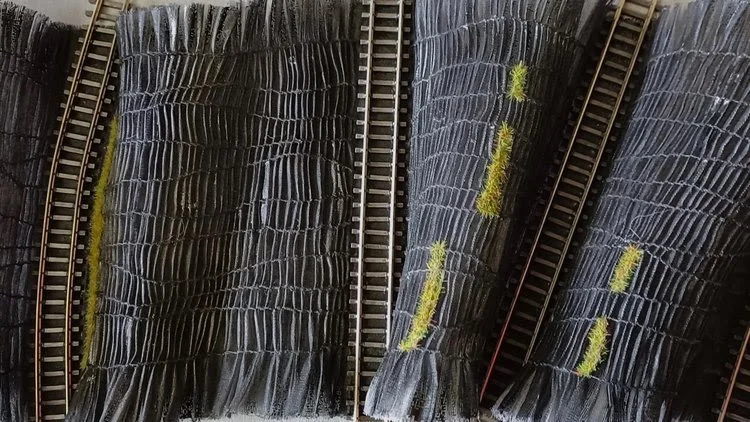
Anne’s work is influenced by a wide range of sources, including objects, conversations, or exhibition titles. Her projects can develop in various directions once she establishes a point of interest, with common themes such as forgotten histories, hidden narratives, and overlooked elements.
Research and planning are central to Anne’s process. She has a particular focus on the historical aspects of textile construction and skills that are no longer commonly practised, drawing on her background as a textile conservator. Anne uses both traditional techniques and new methods to achieve specific results. While she works with materials related to her current interests, she frequently uses paper, metal, graphite, and found objects.
JILL WALKER
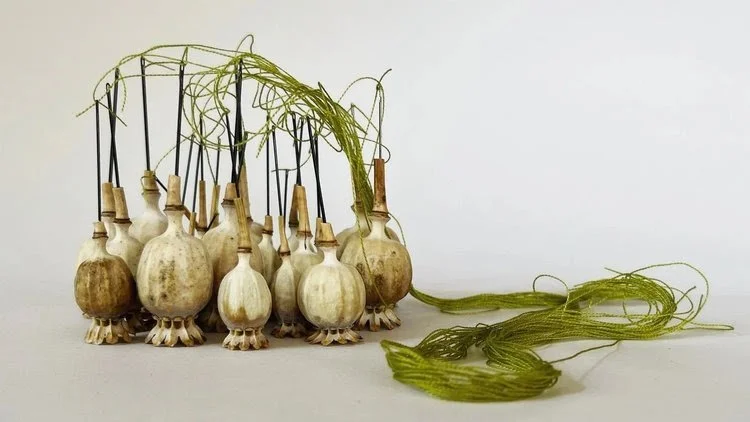
Jill’s interest lies in giving form to a memory of place, whether in reference to the land or a personal understanding of home. Her work draws on the museum as a way of bringing together objects and works on paper—acts of collation and display that evoke a sense of wonder through material presence and hidden meaning.
Influenced by folklore, nature, and rural traditions, Jill works intuitively, handling materials with a slow, repetitive rhythm. She takes time to notice connections—physical, emotional, or social—that surface through simple acts of making. Over time, the accumulation of assemblages, marks, and objects reveal their own quiet presence. Her pieces invite a contemplative, sensorial experience—one that encourages stillness, attentiveness, and a deepened engagement with the overlooked.
MARIAN MURPHY
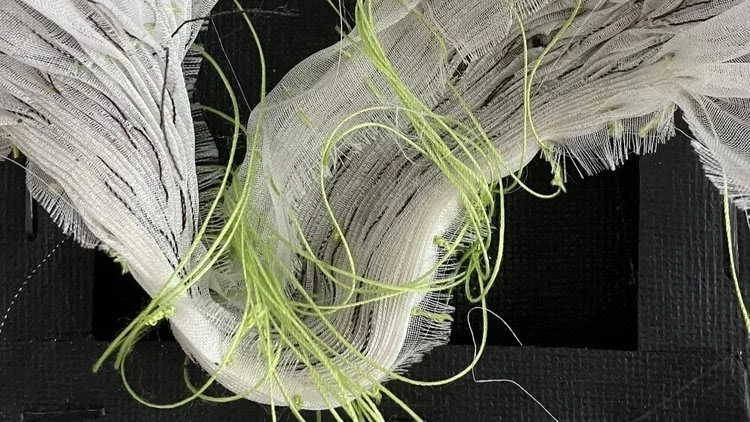
As an embroiderer Marian varies her material repertoire to suit the pieces she is making. Fabric manipulation, fabric, and stitch are sometimes combined with wire, wood, plaster, and paint. It is the versatility and the unpredictable changes that take place when the different materials come together that she exploits and develops to make her objects.
Themes in her work are often developed from an interest in the extraordinary shapes of the clothed human form both ancient and modern, making use of the museum and art gallery for her research. She is also interested in land formations and the erosion that is happening along many parts of our beautiful fragile coastline.
ROSS BELTON
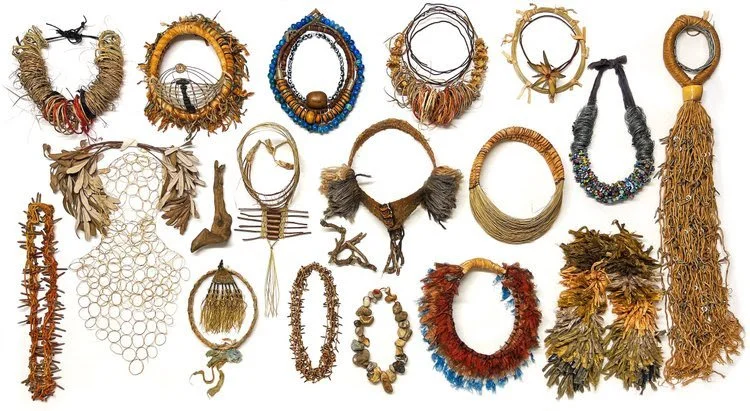
Based in London, Ross’ practice is centred around nature in an urban environment, a sense of place, utilising and repurposing found and recycled materials are key to both sustainability and minimising his artistic footprint.
Examining our relationship with the nature that surrounds us, drawing on his own consumption, time, identity and personal history, these inform his concerns, while embracing the flaws and exploring their beauty. The materials lead the work, in his hands they are retrained, twisted and woven into something new. They form a visual language, growing and evolving, forming clusters which create volume. Without an endpoint, the work develops its own individual character, inviting us to view things in a different way. As a proficient natural dyer Ross uses natural colour in his work.
SAVE THE DATES
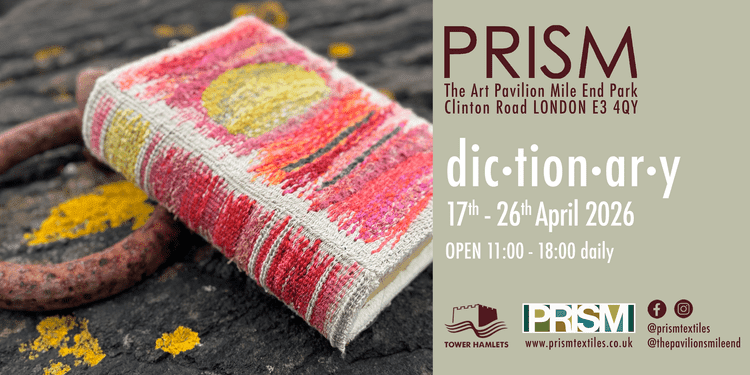
PRISM DICTIONARY EXHIBITION
This year’s exhibition explores the hidden meanings embedded in words: their origins, their shifting forms across centuries, their misunderstandings, transformations, and cultural echoes. Through the magic of stitch and the limitless possibilities of textile materials, they investigate new ways of expressing ideas, developing fresh interpretations and unexpected constructs using everything from cloth to stone, silk to steel.
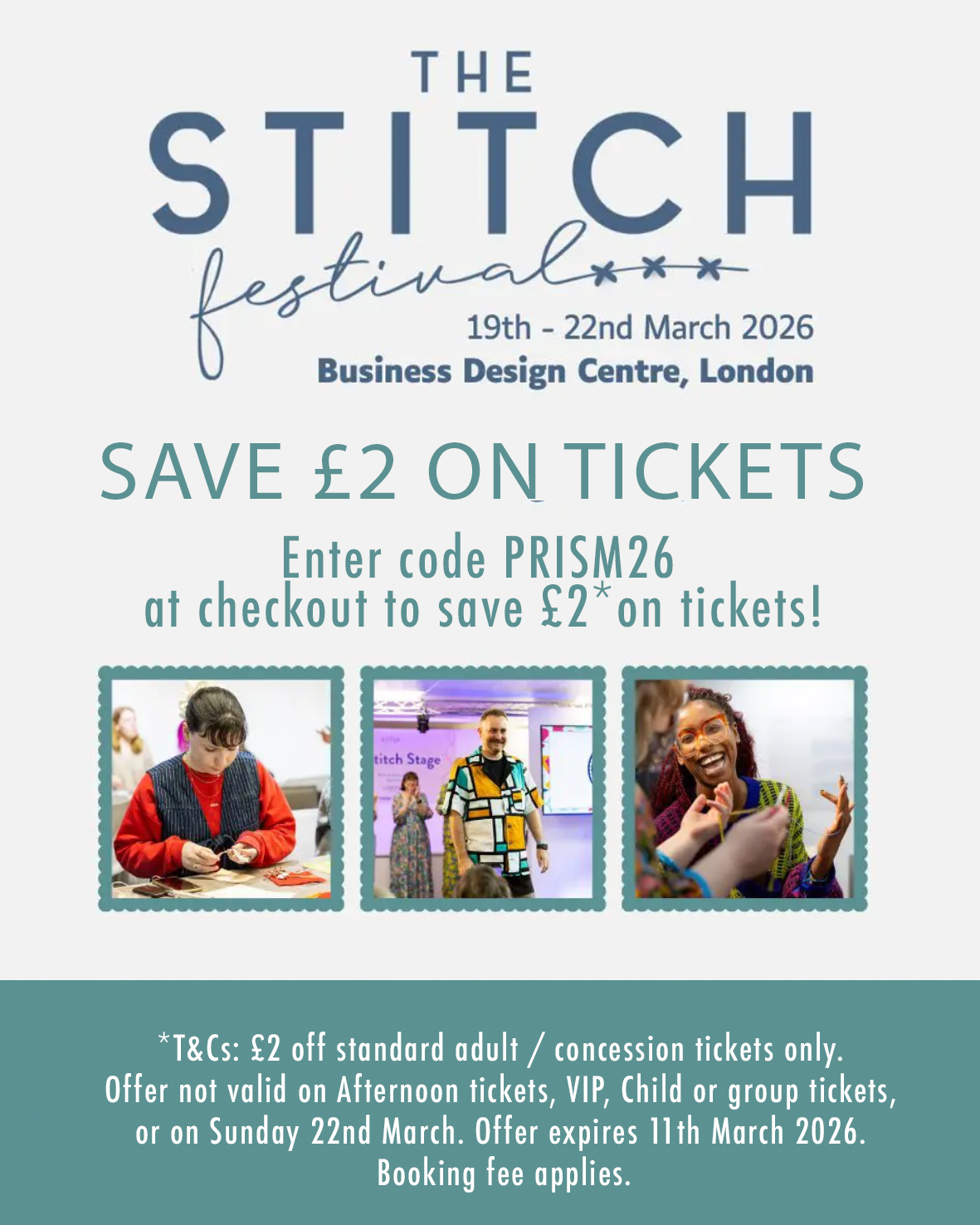
Prism is a vibrant group of 64 textile artists dedicated to exchanging ideas, developing skills, and exhibiting work at a professional level. Membership callouts take place every two years.
Learn more about our mission and upcoming opportunities by clicking here.